

Every triathlete wants to become faster, stronger, and more efficient. As training progresses, one question often arises: is it better to improve fitness or spend more time refining technique? The answer isn’t as straightforward as choosing one over the other. Fitness determines how much work your body can perform, while technique determines how efficiently you use that fitness. An athlete with excellent conditioning but poor technique may waste energy throughout the race, while an athlete with flawless technique but limited fitness may struggle to maintain speed. The best triathletes understand that long-term success comes from developing both. However, the balance between fitness and technique changes depending on experience, race distance, and the discipline involved.
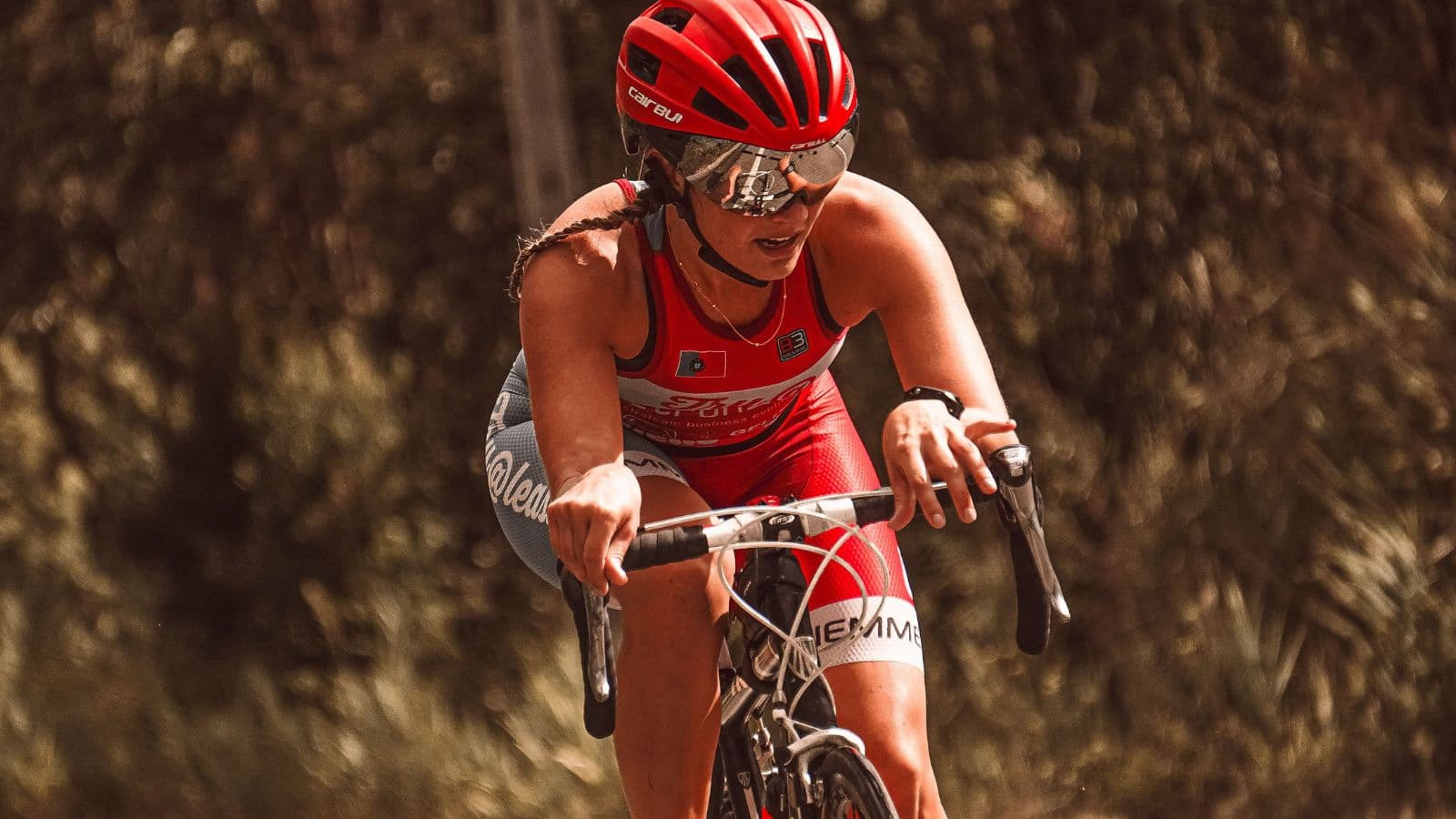
Fitness Builds Your Engine
Fitness is the foundation of endurance performance.
It allows triathletes to:
- Swim longer
- Ride harder
- Run faster
- Recover more efficiently
Without adequate aerobic fitness, even excellent technique has its limitations. Athletes who understand what is vo2 max in running know that improving aerobic capacity increases the body’s ability to sustain effort across all three disciplines.
Technique Improves Efficiency
Technique determines how effectively you use your fitness.
Good technique helps reduce:
- Energy waste
- Drag in the water
- Unnecessary movement
- Fatigue
Small improvements in efficiency can produce meaningful gains without requiring additional fitness.
Swimming Rewards Good Technique
Among the three disciplines, swimming is often the most technique-dependent. Poor technique can dramatically increase drag and reduce propulsion.
Athletes who regularly perform pool drills to improve triathlon swim technique often improve their speed without significantly increasing training volume. For newer triathletes, technical improvements in the water may provide larger gains than simply swimming harder.
Cycling Requires Both
Cycling performance depends heavily on fitness, but technique still matters.
Good cycling technique includes:
- Smooth pedalling
- Efficient cornering
- Stable bike handling
- Comfortable positioning
Athletes who understand what cycling drills help triathletes improve bike technique know that technical skills can improve confidence while helping maintain speed with less effort.
Running Economy Is Technique in Action
Running doesn’t require complex movement patterns like swimming, but efficient mechanics still matter.
Good running technique can improve:
- Stride efficiency
- Posture
- Energy conservation
Athletes who understand how does increasing running cadence help prevent knee injuries know that small changes in running mechanics can improve efficiency while reducing unnecessary stress on the body.
Beginners Benefit Most From Technique
Athletes new to triathlon often gain significant improvements by correcting technical mistakes.
Examples include:
- Better breathing in swimming
- Improved cornering on the bike
- More efficient running form
These gains often come faster than physiological adaptations.
Experienced Athletes Need Both
As athletes become more experienced, fitness and technique become increasingly connected.
Elite performers continually refine:
- Stroke mechanics
- Bike position
- Running efficiency
while simultaneously developing aerobic capacity and endurance. Athletes who understand how to train like an olympic triathlete know that professionals never stop improving technical details, even after years of training.
Technique Helps You Save Energy
Every unnecessary movement costs energy.
Efficient athletes conserve energy by:
- Swimming with less drag
- Riding more smoothly
- Running economically
The energy saved during one discipline can improve performance in the next.
Fitness Supports Good Technique
Fatigue often causes technique to deteriorate.
As athletes tire, they may:
- Drop their hips while swimming
- Lose posture on the bike
- Overstride while running
Better fitness allows athletes to maintain efficient movement for longer.
Recovery Influences Both
Neither fitness nor technique improves without recovery. Athletes who understand what does modern recovery look like for triathletes know that adaptation occurs between workouts, allowing both physical capacity and movement quality to improve over time.
Don’t Sacrifice Technique for Intensity
Many triathletes perform hard sessions with poor mechanics.
Repeating inefficient movement patterns may:
- Increase fatigue
- Reduce efficiency
- Raise injury risk
Quality movement should remain a priority even during challenging workouts.
Consistency Matters More Than Perfection
Fitness develops gradually. Technique also improves through repeated practice. Athletes who understand how can working professionals train for a 70.3 triathlon know that consistent training usually produces greater improvements than occasional exceptional sessions.
Technique Can Reduce Injury Risk
Efficient movement often places less unnecessary stress on joints and soft tissues. While no technique completely prevents injury, improving movement quality may help reduce excessive loading during repetitive training. Athletes who understand how can triathletes manage tendonitis without derailing training know that combining good mechanics with sensible training loads supports long-term durability.
Fitness Doesn’t Eliminate Poor Habits
A very fit athlete can still:
- Swim inefficiently
- Brake excessively on the bike
- Waste energy while running
Fitness may compensate temporarily, but technical limitations often become more obvious over longer distances.
Technique Requires Practice
Technical improvements don’t happen automatically.
They require:
- Drills
- Feedback
- Deliberate repetition
- Patience
The off-season often provides an ideal opportunity to develop these skills.
Balance Is the Real Goal
Instead of asking whether fitness or technique is more important, a better question is:
“Which area limits my performance the most?”
Some athletes need:
- Better aerobic fitness
Others need:
- More efficient movement
Many require improvements in both. Athletes who understand swim, bike, and run drills for off-season triathlon training know that combining technical practice with structured endurance training creates the greatest long-term progress.
Common Mistakes
Many triathletes:
- Focus only on fitness
- Ignore technical weaknesses
- Skip drills
- Chase training volume
- Sacrifice form during hard sessions
- Compare fitness instead of efficiency
- Expect immediate improvements
- Neglect regular feedback
Avoiding these habits helps athletes become more complete performers.
Finding the Right Balance
Triathletes improve most when they:
- Build aerobic fitness consistently
- Practice technique regularly
- Maintain good movement under fatigue
- Use drills to reinforce efficient mechanics
- Recover effectively
- Address individual weaknesses
- Train with purpose
- Balance endurance with skill development
Fitness provides the engine, while technique determines how efficiently that engine performs. Neither can reach its full potential without the other. By consistently improving both physical capacity and movement quality, triathletes become faster, more economical, and better prepared for every race distance.