

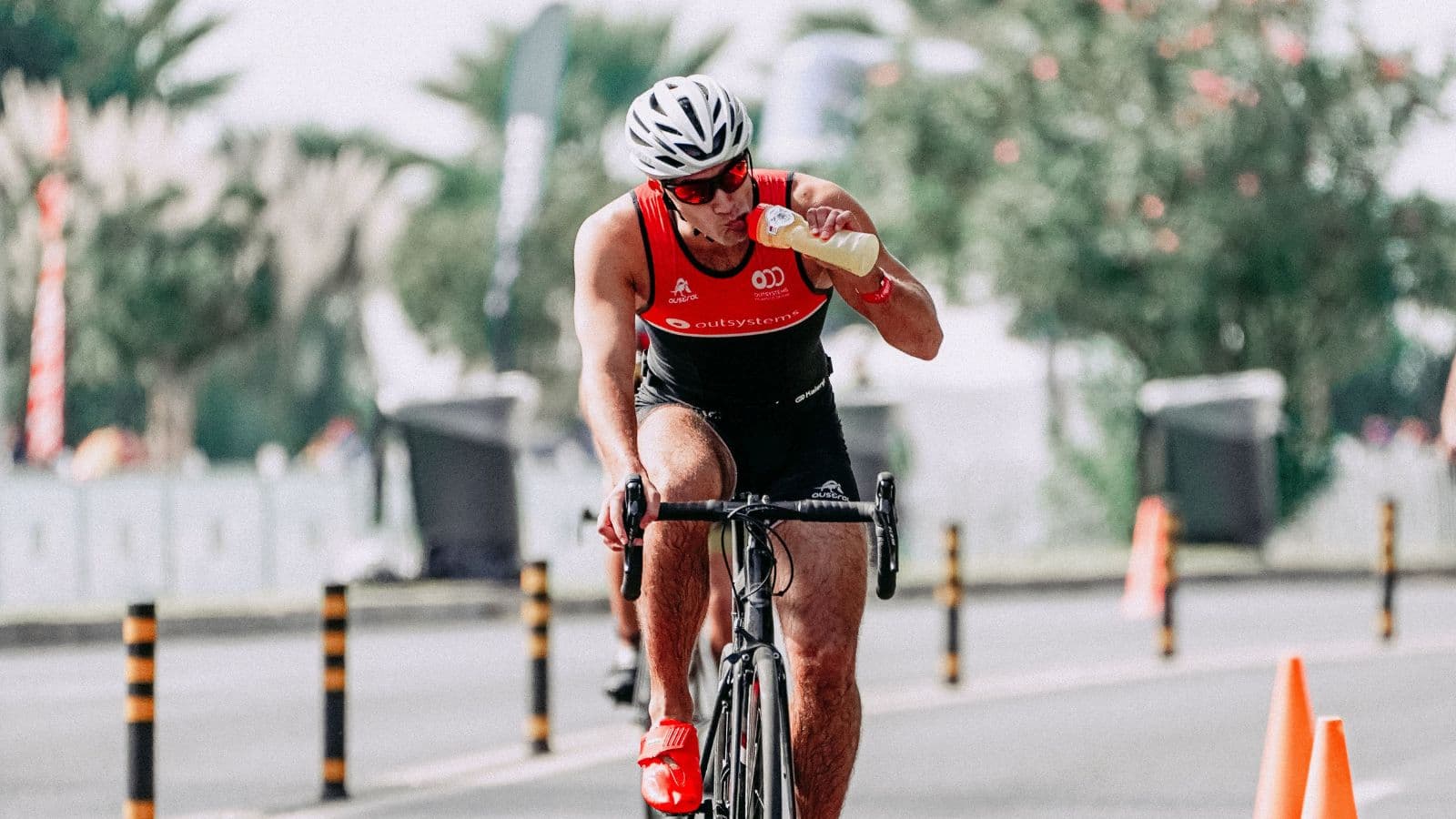
Hydration can have a major impact on cycling performance during a triathlon. The bike leg is usually the best opportunity to replace fluids lost through sweat before beginning the run. Starting the run dehydrated can make maintaining pace far more difficult, particularly in warm or humid conditions. However, hydration isn’t simply about drinking as much as possible. Every triathlete sweats at a different rate, races in different environments, and has unique fluid requirements. An effective hydration strategy balances fluid intake with electrolytes, carbohydrates, race intensity, and weather conditions. Here’s how to develop a hydration plan that supports both the bike leg and the run that follows.
Start the Bike Well Hydrated
Hydration begins long before the race starts. Drink fluids consistently throughout the day before the event and continue sipping fluids on race morning. Avoid trying to “catch up” immediately before the swim by drinking excessive amounts. Athletes who understand what to eat before cycling know that hydration works best when combined with an appropriate pre-race nutrition strategy.
Know Your Sweat Rate
Every athlete loses fluid differently.
Factors that influence sweat loss include:
- Temperature
- Humidity
- Exercise intensity
- Body size
- Individual physiology
Practising during training helps estimate how much fluid you typically lose per hour.
Drink Regularly Instead of All at Once
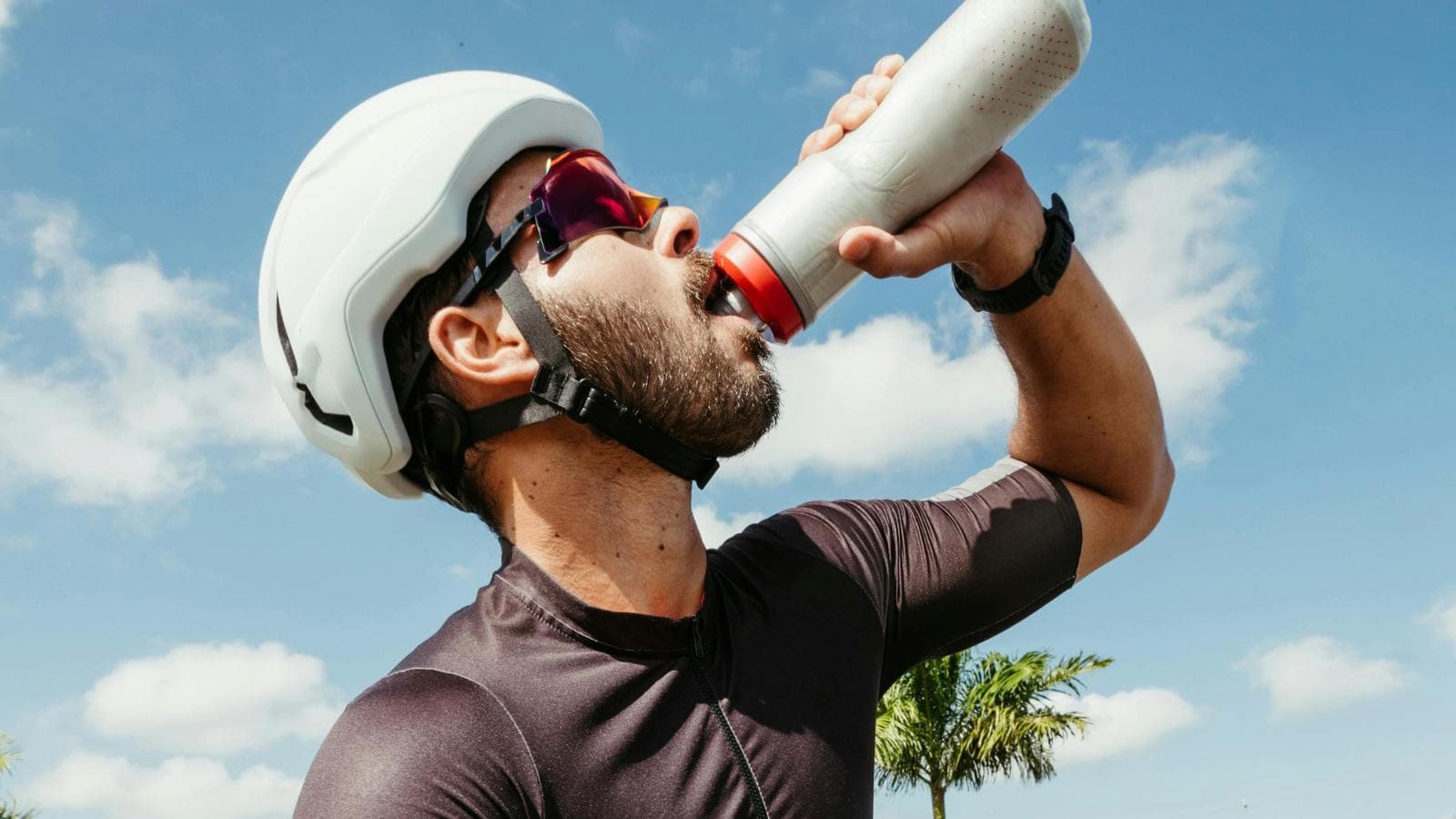
Rather than waiting until you’re thirsty, aim to drink small amounts consistently throughout the ride. Frequent sipping is generally easier on the stomach and helps maintain hydration more effectively than consuming large volumes infrequently.
Replace Electrolytes
Sweat contains more than just water.
Electrolytes, particularly sodium, play important roles in:
- Fluid balance
- Muscle function
- Nerve signalling
Sports drinks or electrolyte tablets may help replace some of these losses during longer races.
Match Hydration to Race Conditions
Hot, humid races usually require greater fluid intake than cooler events. Athletes who understand how does modern recovery look for triathletes know that hydration needs vary from one session to another rather than following one fixed plan. Adjust your strategy according to the forecast and race environment.
Combine Hydration With Fueling
Hydration and nutrition should work together.
Many sports drinks provide:
- Fluids
- Carbohydrates
- Electrolytes
Athletes who understand how do carbs affect fat burning during endurance training know that carbohydrate intake supports sustained performance during long endurance events.
Practise During Long Training Rides
Race day should never be the first time you test your hydration strategy.
Use long rides to practise:
- Bottle placement
- Drinking frequency
- Sports drink concentration
- Electrolyte intake
Small adjustments made in training can prevent major problems during competition.
Use Aid Stations Wisely
Most triathlon bike courses include aid stations.
Before race day:
- Learn their locations
- Know what products are available
- Decide whether you’ll carry your own bottles or collect replacements
Planning ahead helps avoid unnecessary stress.
Don’t Ignore the Weather
Wind, cloud cover, and altitude can all influence hydration requirements. Athletes who understand how can heat training improve running performance in all conditions know that environmental conditions significantly affect fluid balance and perceived effort, even when temperatures seem moderate.
Avoid Overhydration
Drinking too much can be just as problematic as drinking too little.
Excessive fluid intake may lead to:
- Stomach discomfort
- Frequent urination
- Dilution of blood sodium levels
Drink according to your plan rather than assuming more is always better.
Make Drinking Easy
If accessing your bottles is awkward, you’re less likely to drink consistently.
Choose bottle placement that allows you to:
- Reach comfortably
- Drink safely
- Maintain your riding position
The simplest setup is often the most effective.
Monitor Early Signs of Dehydration
Pay attention to signs such as:
- Increasing thirst
- Dry mouth
- Rising perceived effort
- Reduced concentration
Responding early is usually easier than trying to recover from significant dehydration later in the race.
Prepare for the Run
The goal isn’t simply finishing the bike well hydrated. It’s beginning the run in the best possible condition. Athletes who understand how can triathletes reduce triathlon fatigue and run stronger know that smart hydration on the bike often contributes to stronger running later in the race.
Practise Drinking at Race Pace
Drinking while riding at race intensity requires practice.
Include hydration during:
- Long endurance rides
- Brick sessions
- Race simulations
This helps you become comfortable drinking without interrupting your rhythm.
Don’t Depend Entirely on Thirst
Thirst is useful, but it often develops after some fluid loss has already occurred. Combining thirst with a planned hydration strategy generally works better than relying on either approach alone.
Review After Every Race
Each race provides valuable feedback.
Consider:
- Did you finish feeling dehydrated?
- Did you carry too much fluid?
- Did your stomach tolerate your drinks?
Athletes who understand are triathletes relying too much on training data know that personal experience is just as valuable as numbers when refining future race strategies.
Individualise Your Plan
No hydration strategy works for every athlete.
Your plan should reflect:
- Sweat rate
- Race duration
- Weather
- Personal tolerance
- Nutrition strategy
Experiment during training until you find what works consistently.
Common Hydration Mistakes
Many triathletes:
- Start the bike already dehydrated
- Drink only when thirsty
- Ignore electrolyte replacement
- Try new drinks on race day
- Consume excessive amounts of water
- Forget to practise hydration during training
- Underestimate hot conditions
- Neglect hydration before the run
Avoiding these mistakes helps maintain performance throughout the race.
Building an Effective Bike Hydration Strategy
For most triathletes, an effective plan includes:
- Starting the race well hydrated.
- Knowing your approximate sweat rate.
- Drinking small amounts regularly.
- Replacing electrolytes alongside fluids.
- Combining hydration with carbohydrate intake.
- Practising your strategy during training.
- Adjusting for weather conditions.
- Reviewing and refining your plan after each race.
Hydration during the bike leg isn’t simply about preventing thirst, it’s about supporting consistent performance from the swim exit to the finish line. By practising your strategy, understanding your individual needs, and adapting to race conditions, you’ll be better prepared to ride efficiently and begin the run feeling strong.